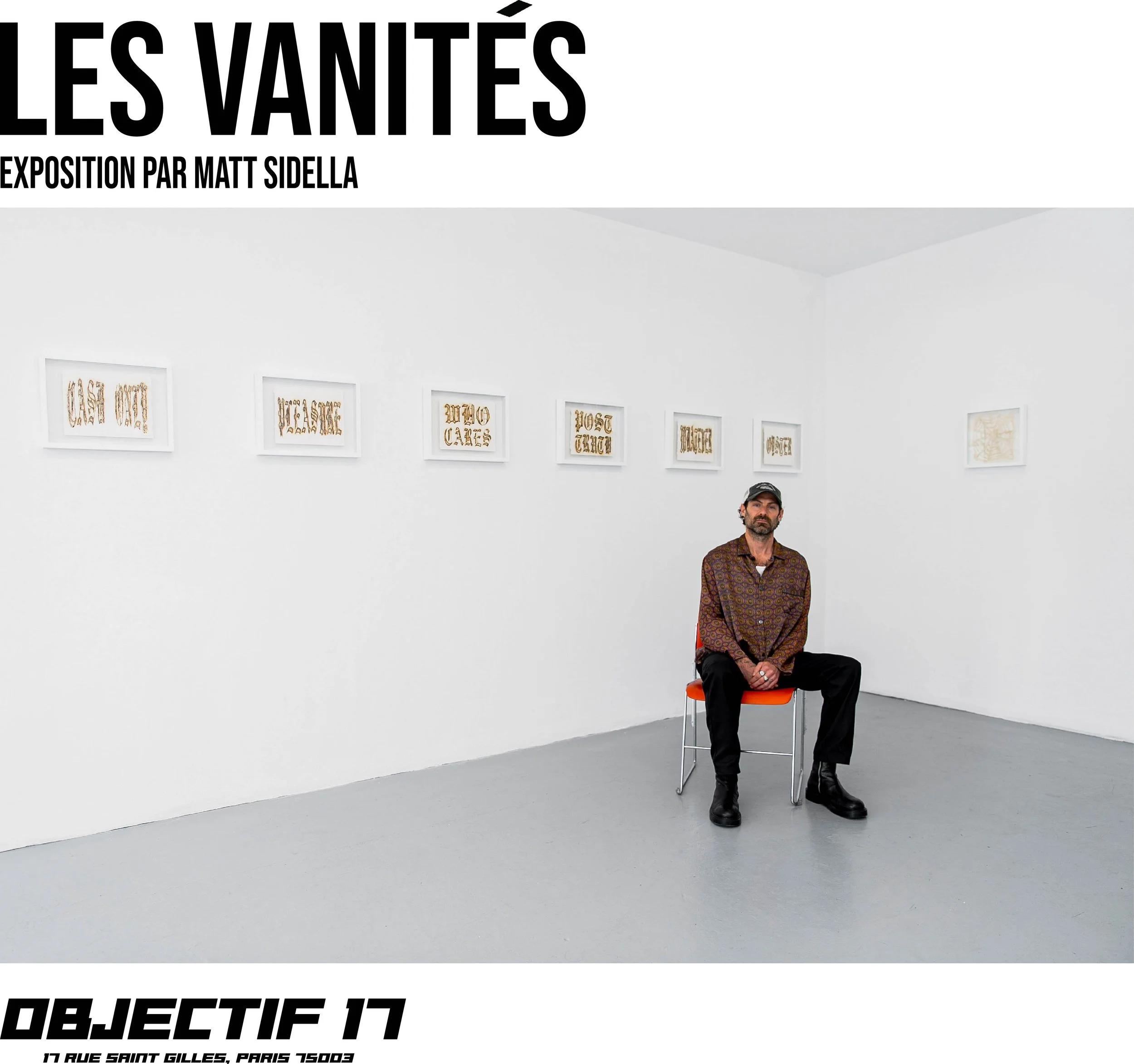
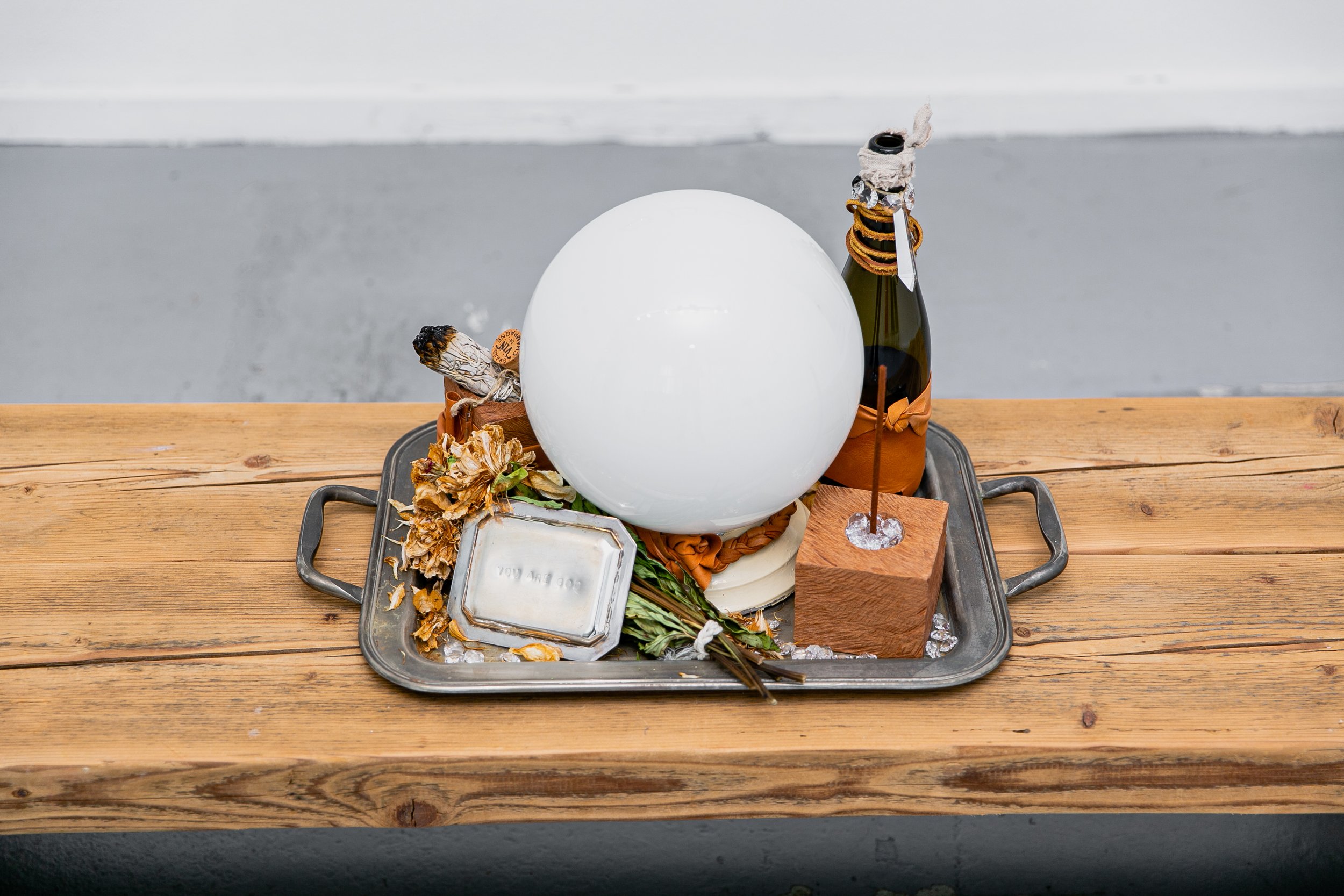
Les Vanités, seventeenth-century French Baroque paintings, stage worldly
accomplishments alongside skulls, melting candles, rotting fruit, and withered flowers.
Wealth and beauty, status displayed, undermined by the fleeting nature of time. These
paintings are visual acts of self- correction. They flatter the viewer while
simultaneously rebuking them.
The American vanity plate, seemingly a mass-produced industrial object, performs the
opposite gesture. It turns the automobile into a site of autonomy and personalization.
Rather than warning against ego, it offers slogans for it. Through abbreviations, puns,
status markers, fandoms, inside jokes, the owner asserts an identity within the
anonymity of traffic, and of life. NVR MYND. 8008IE5. SND NWDS. 2L8 IWUN.
Encrypted codes of pride, declarations of existence. Look at me, I am here, recognize
me.
Together, the two operate by the same logic: meditations on impermanence that resist it.
Each is an attempt to stabilize identity through inscription, and yet the inscription is
fragile, contextual, transient. Metal rusts, jokes age, technologies disappear. The plate
projecting prestige ends up in a junkyard. As with the skull in a Baroque still life,
obsolescence waits. Both are caught in the tension between visibility and
disappearance. Les Vanite
́
s protests the futility of material objects and earthly
attachment; the vanity plate wields language against social invisibility. One warns
against self- display, the other indulges in it. Both reveal how vain we, and our
identities, truly are.
Paintings of books, jewels, material wealth: arrangements around a missing subject.
Slogans, abbreviations, societal puns: coded self-portraiture. Both ask to be decoded.
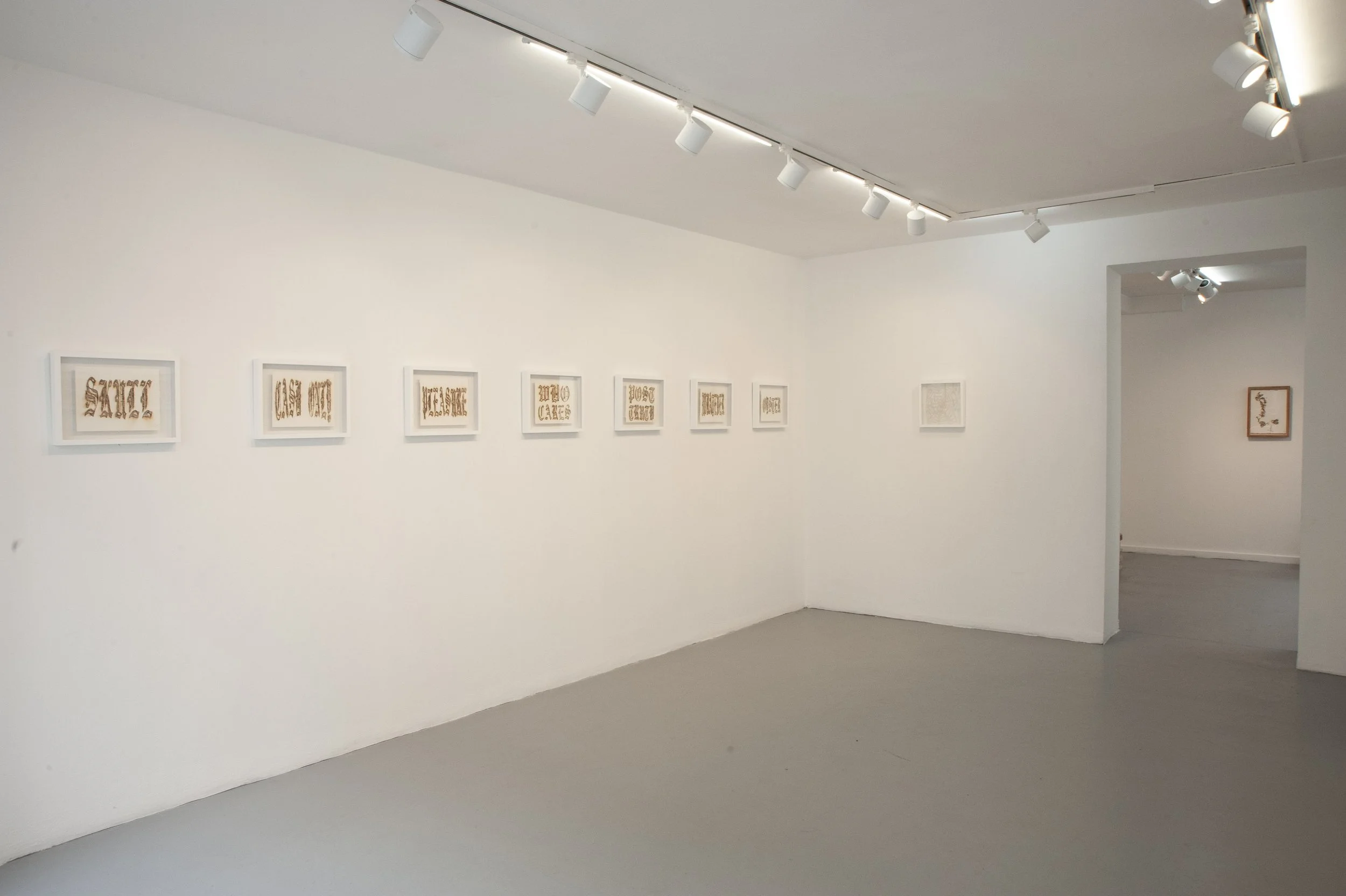
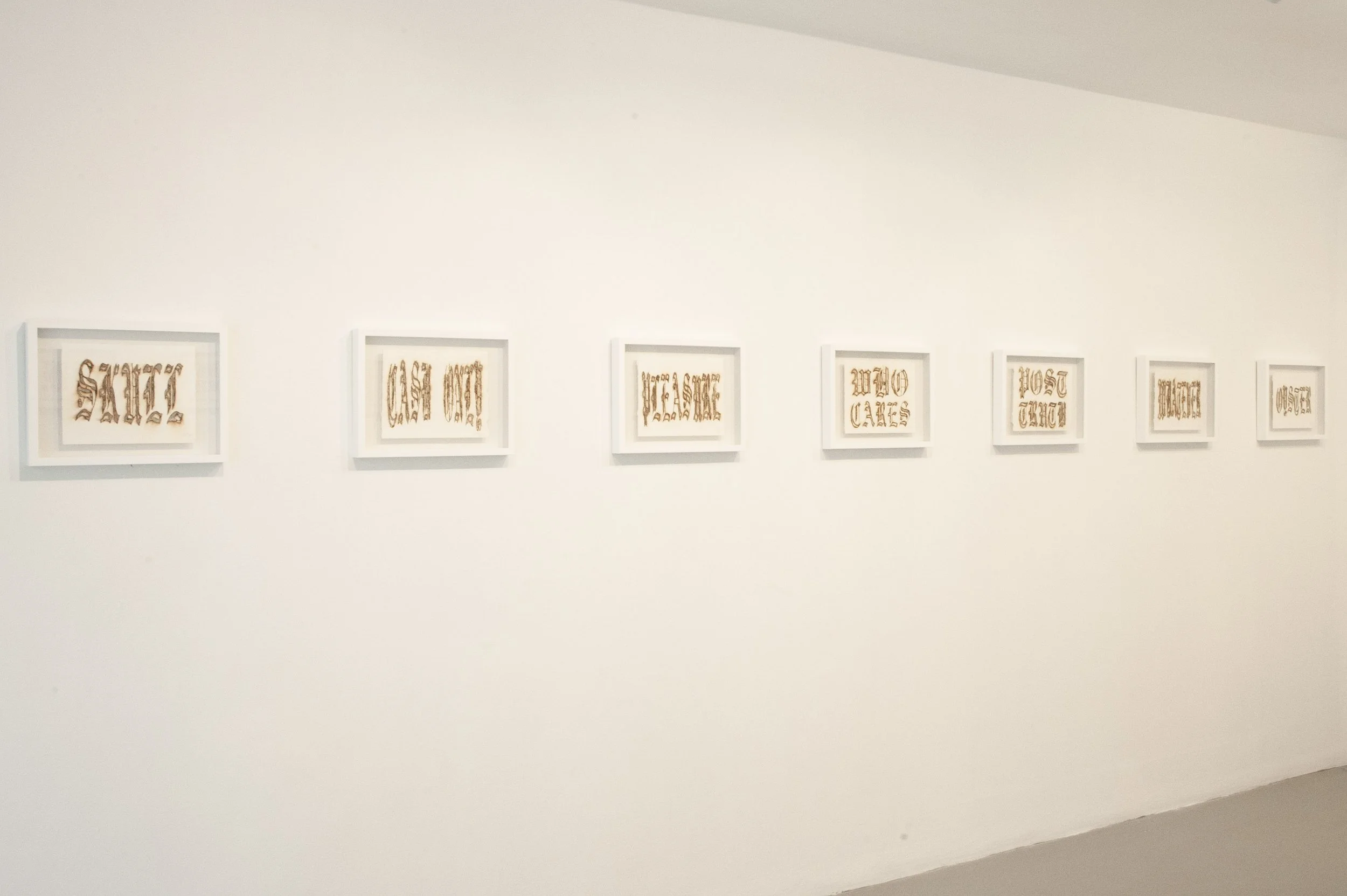
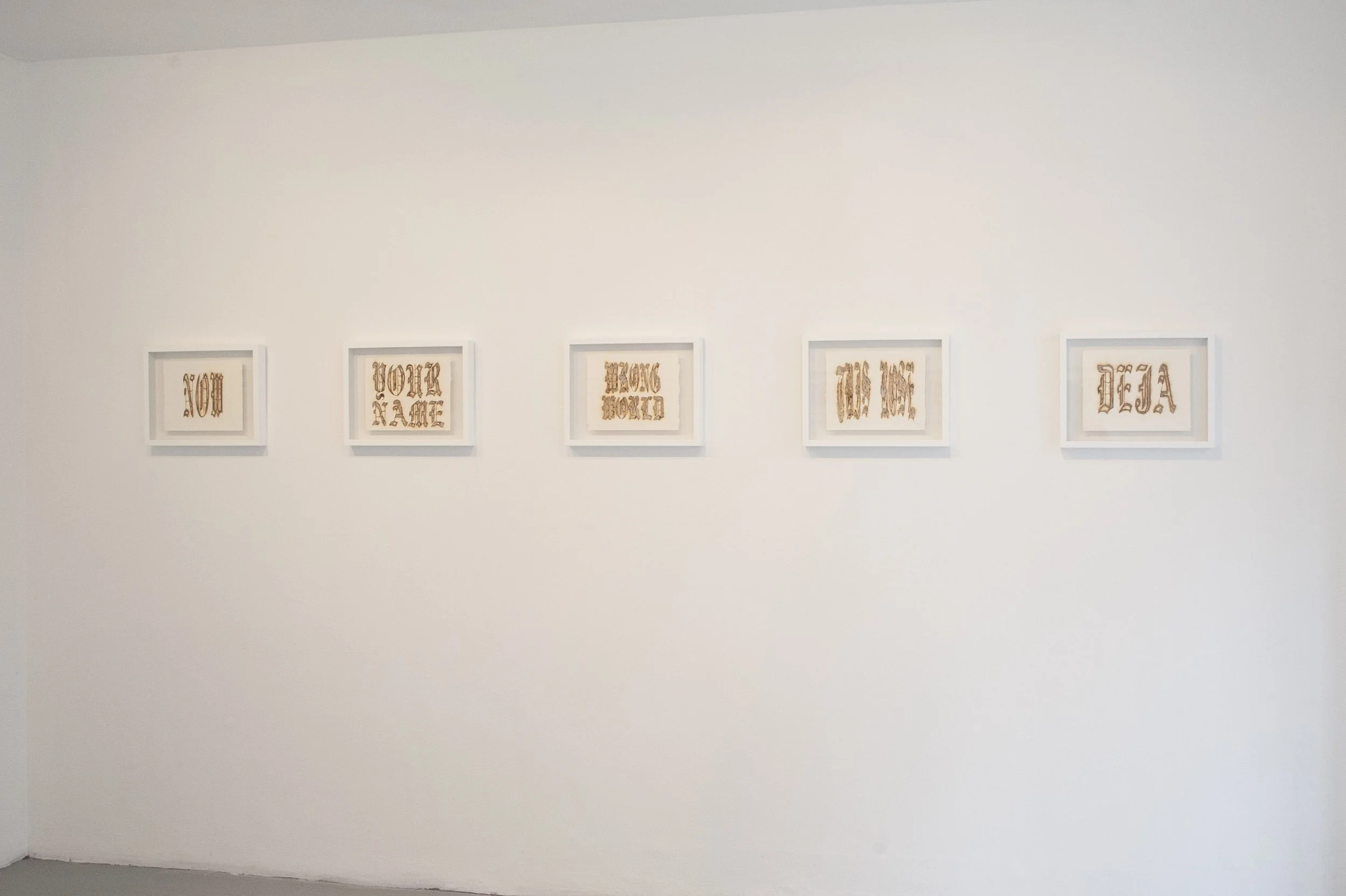
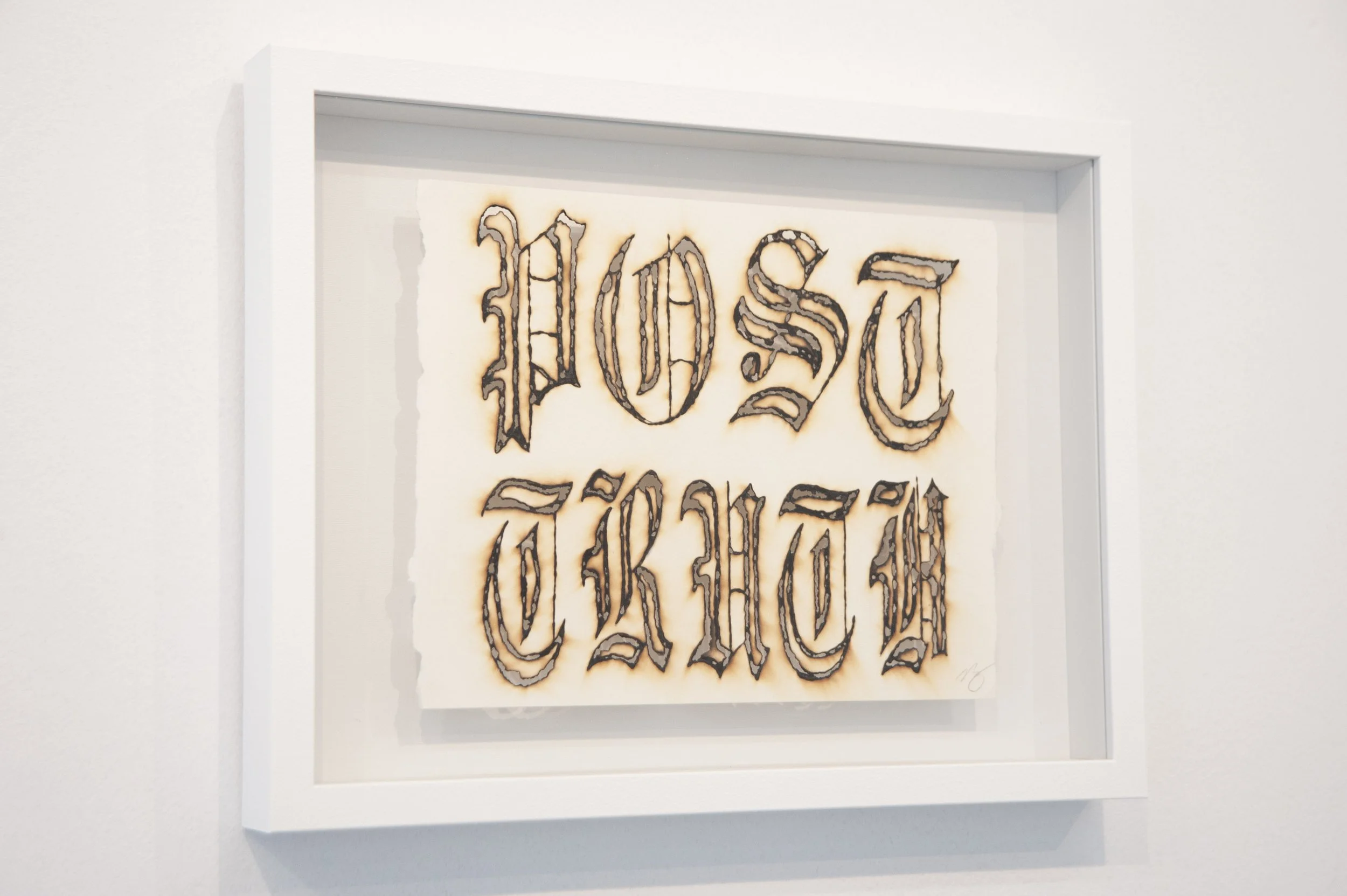
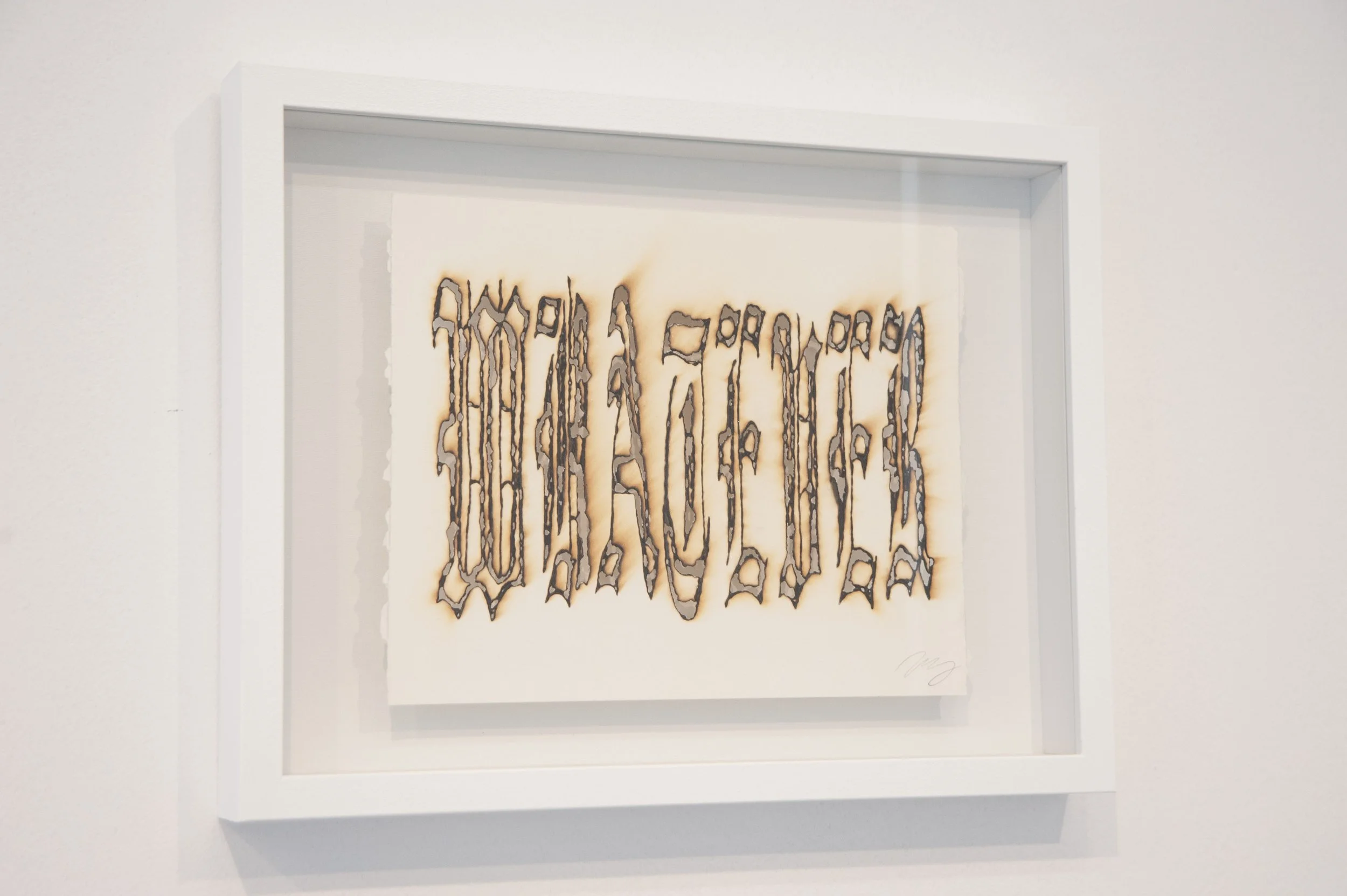
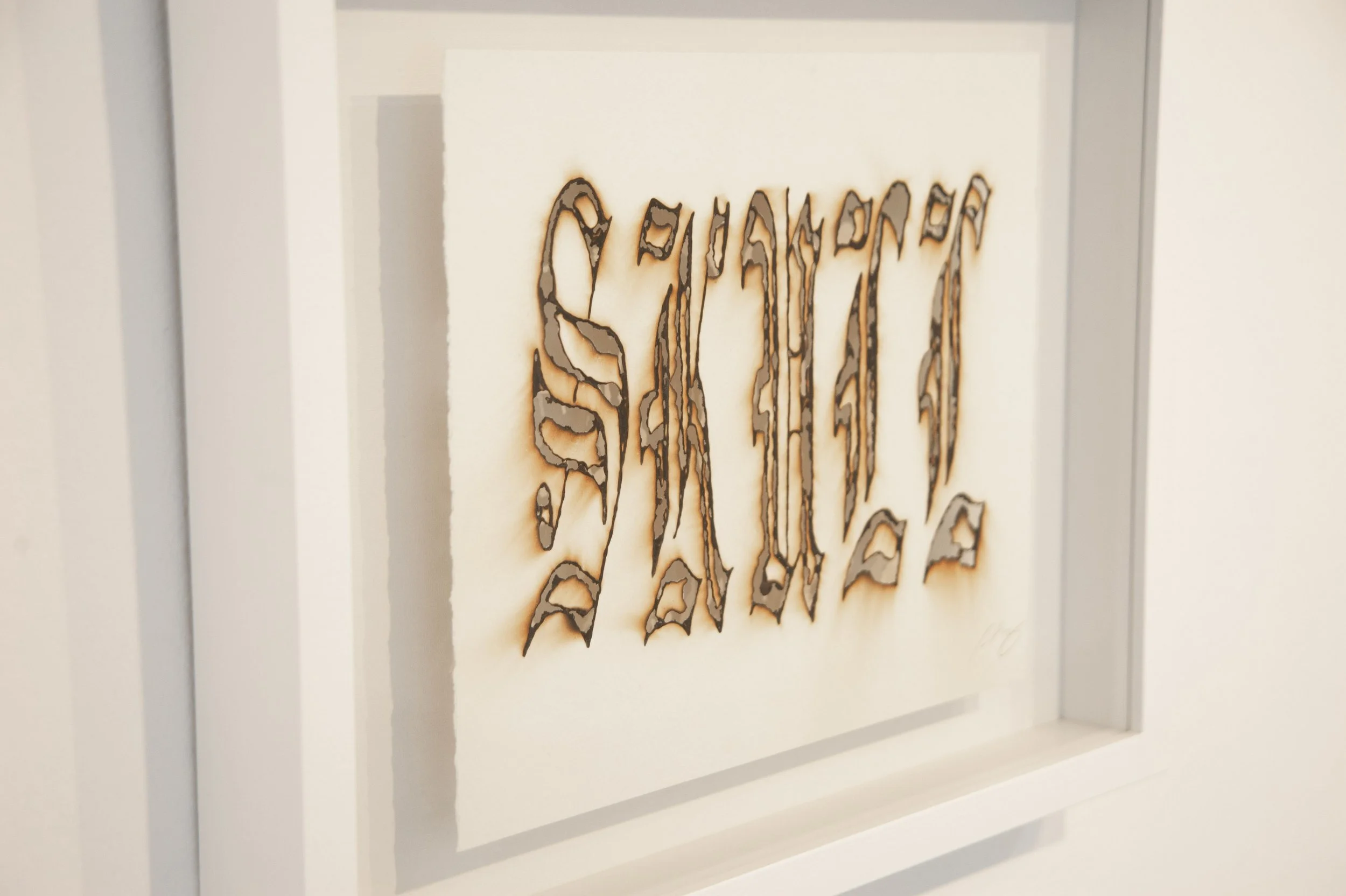
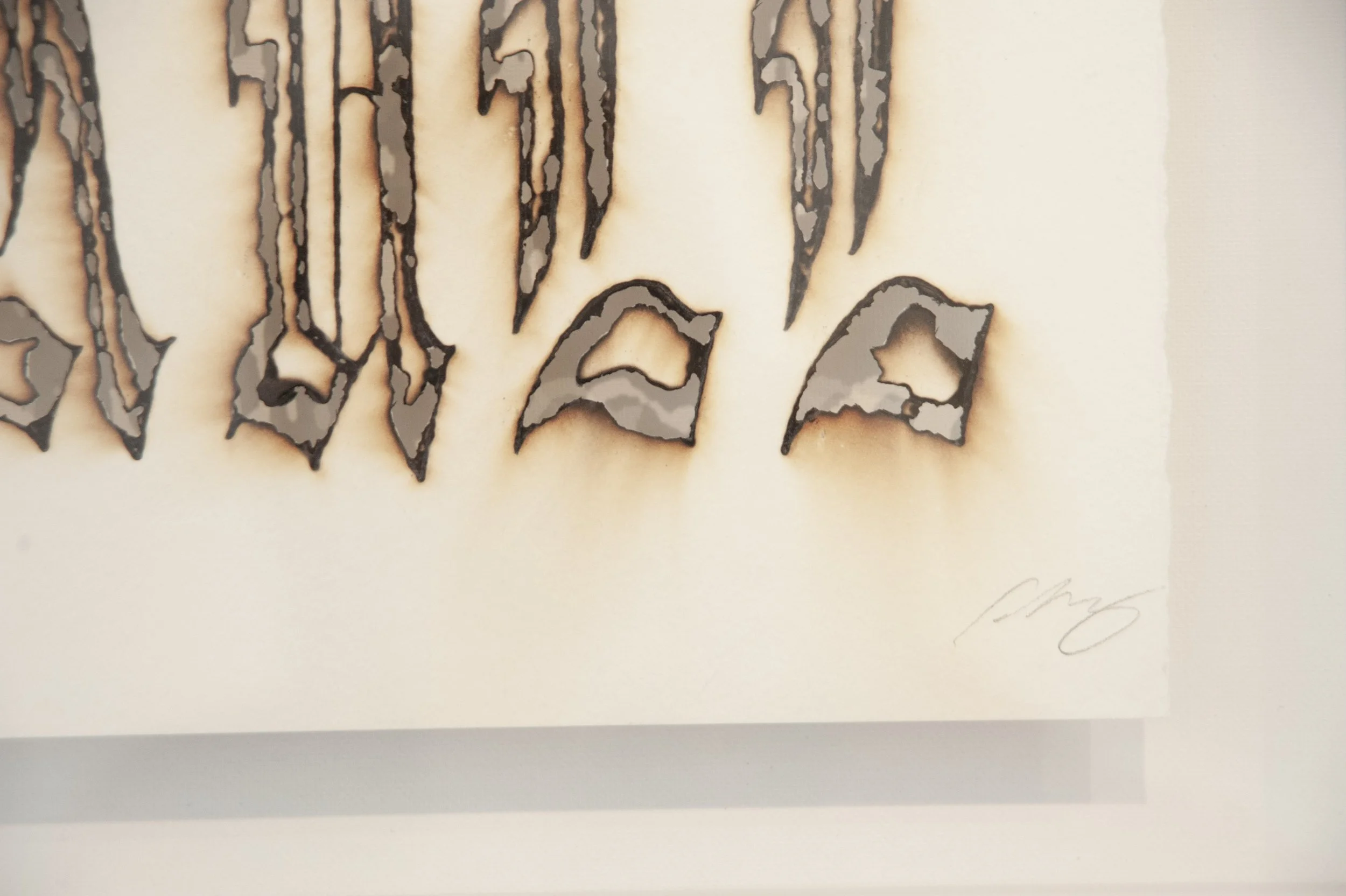
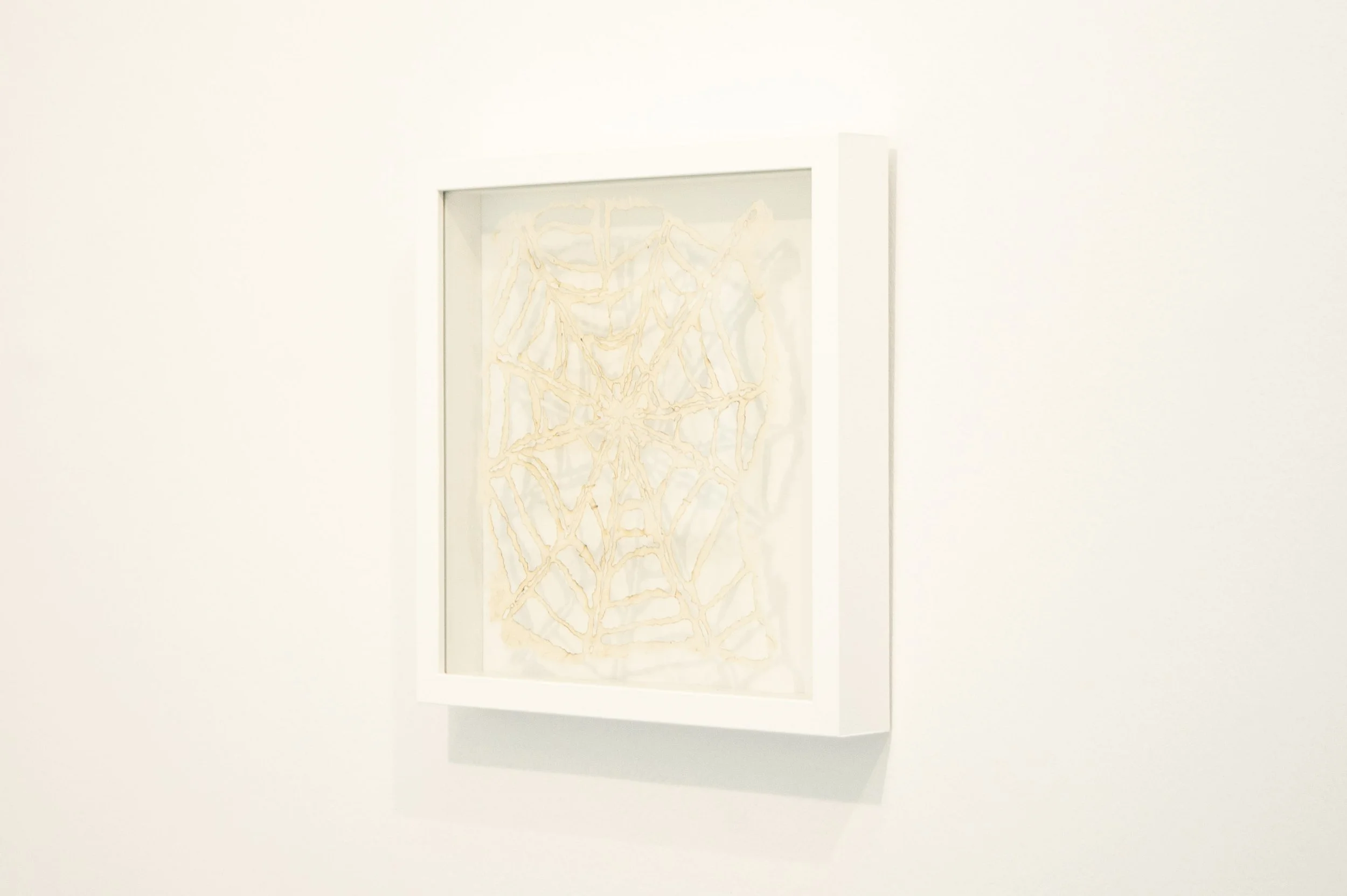
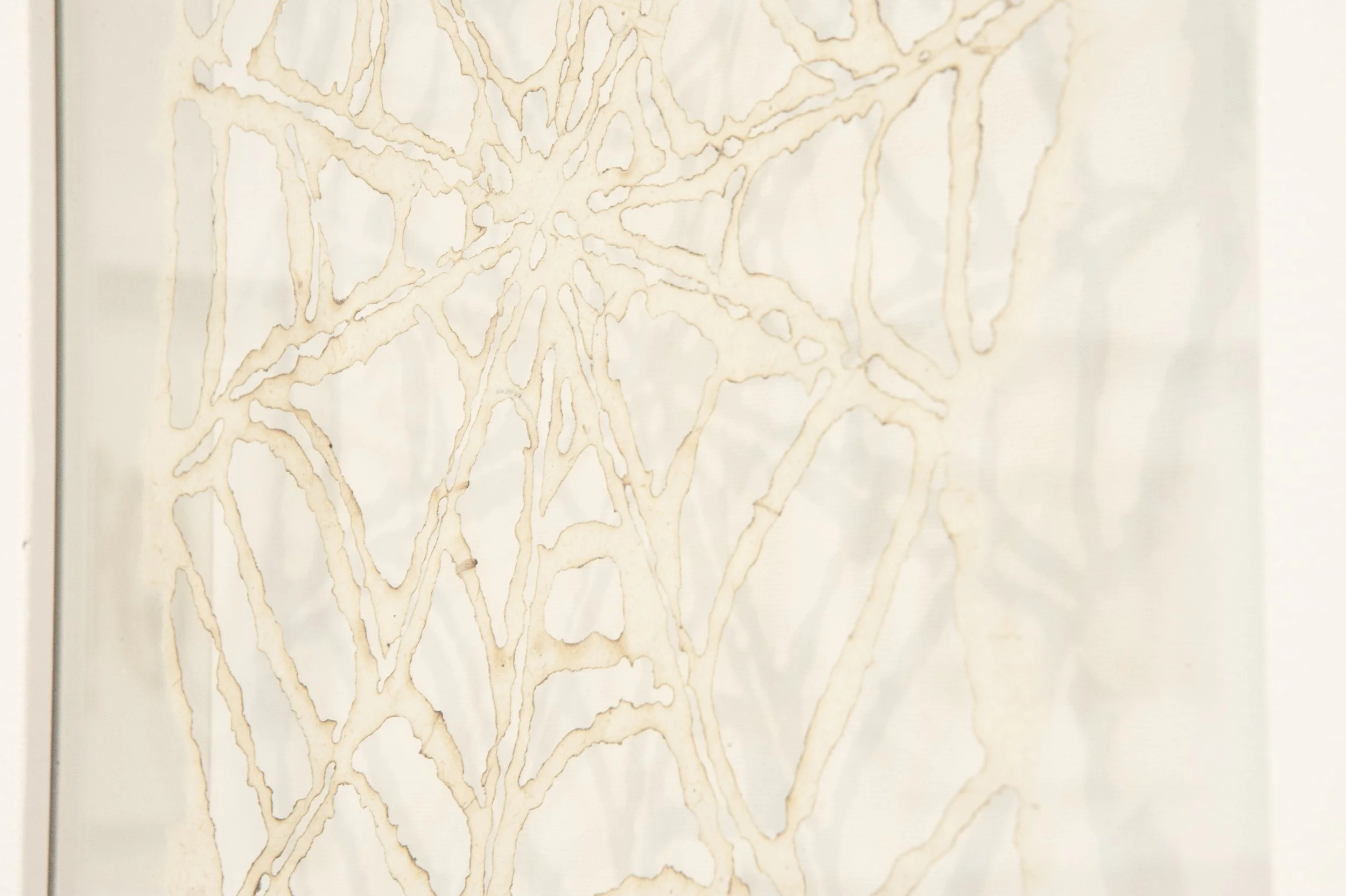
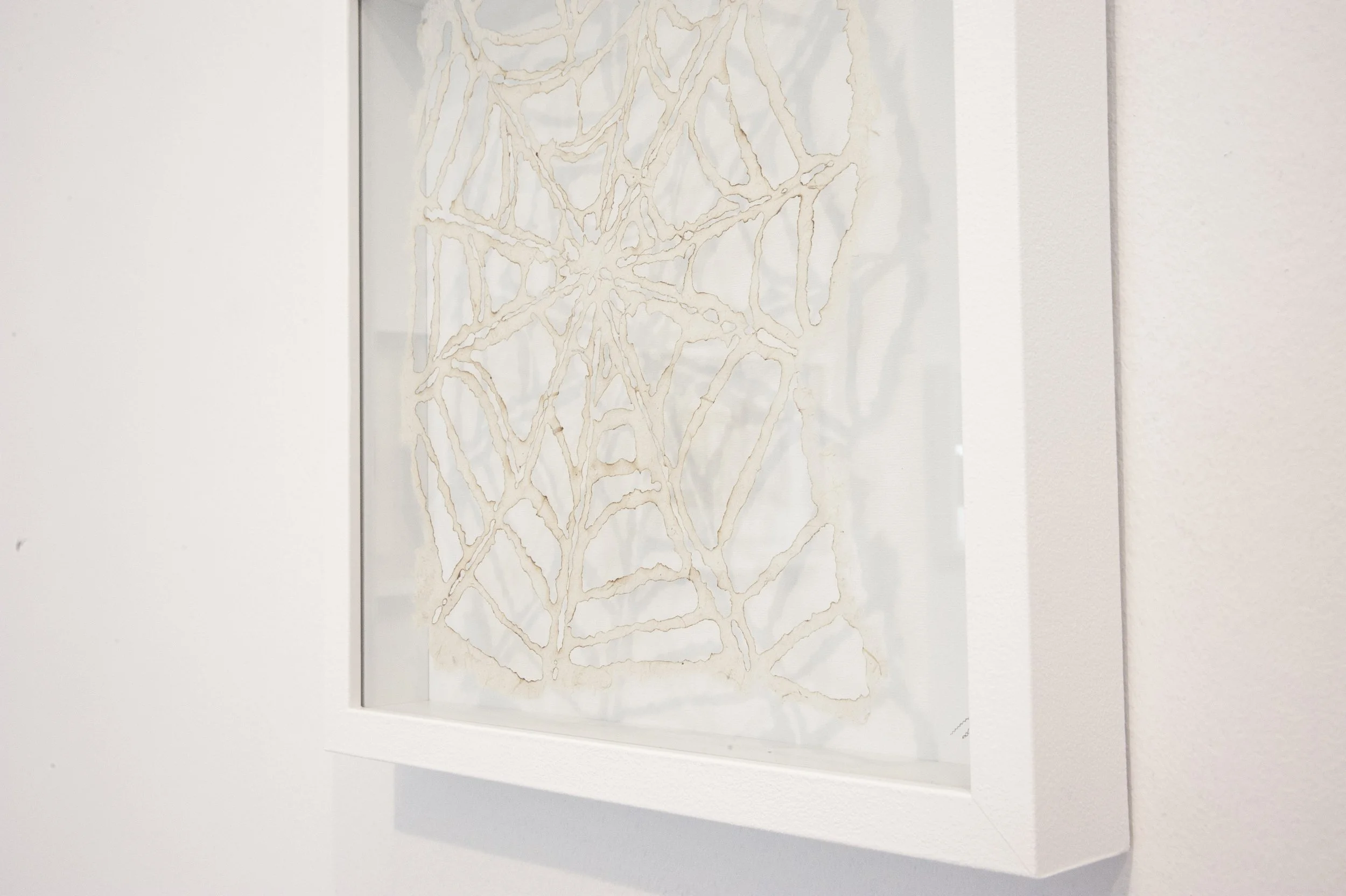
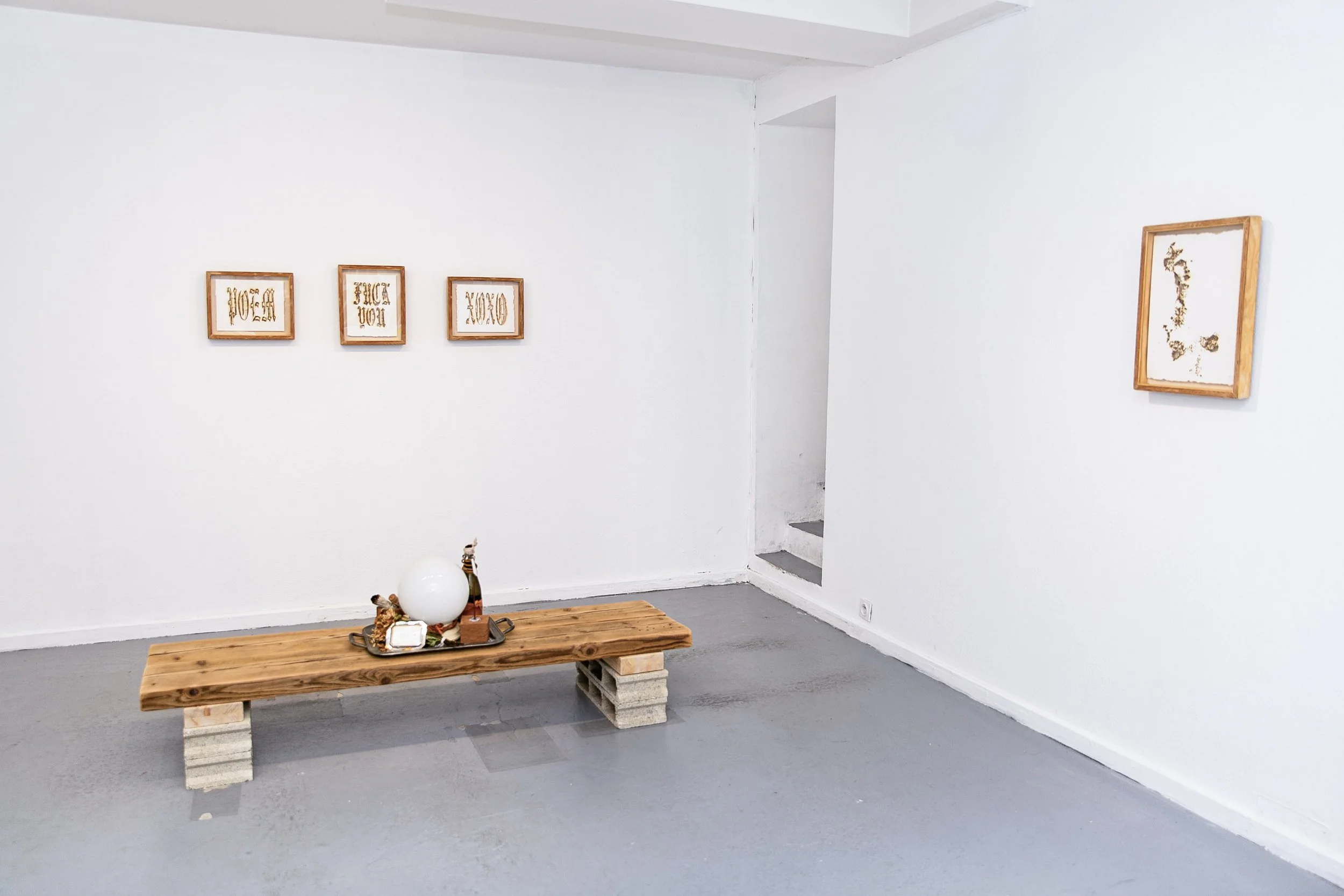
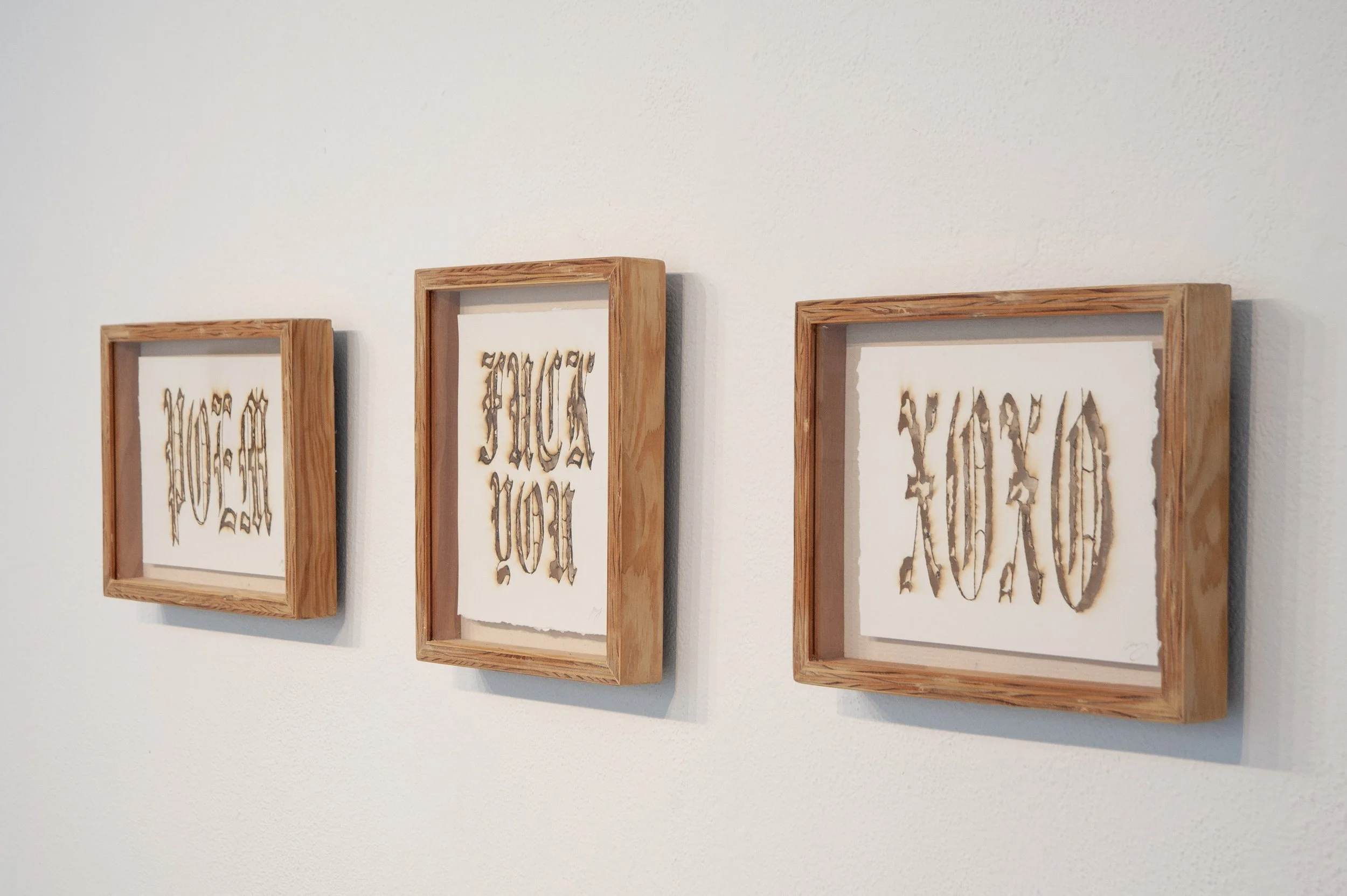
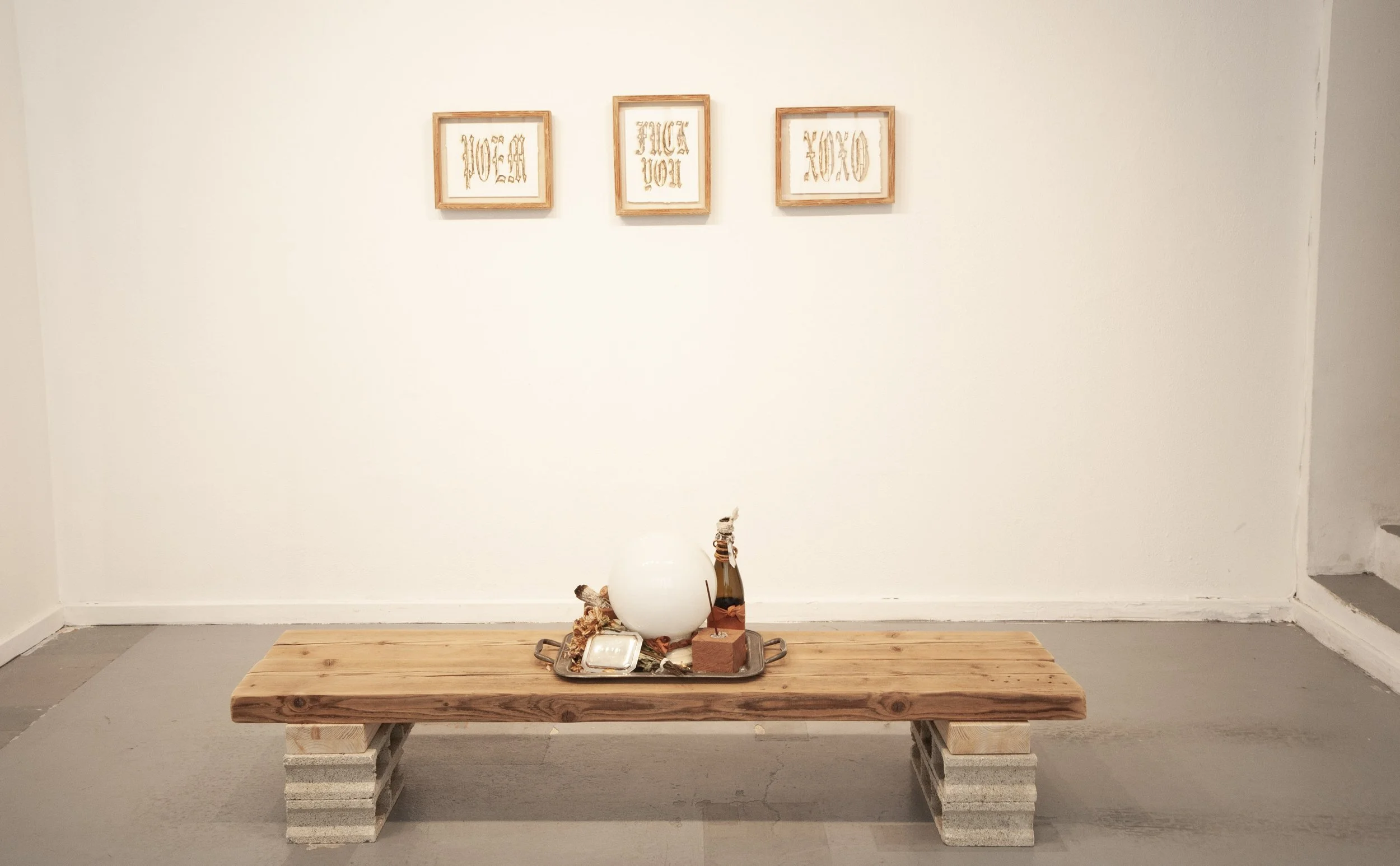
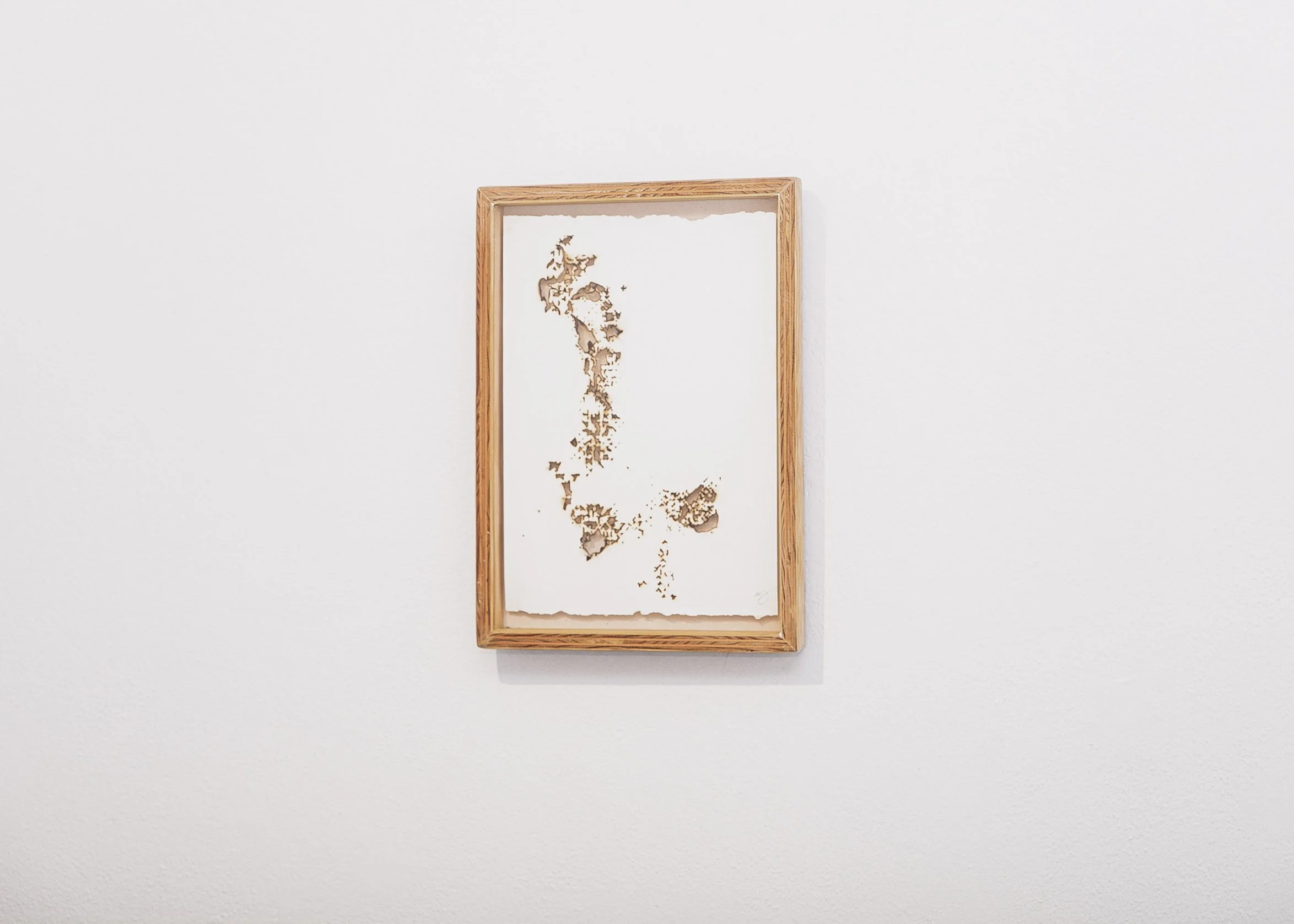
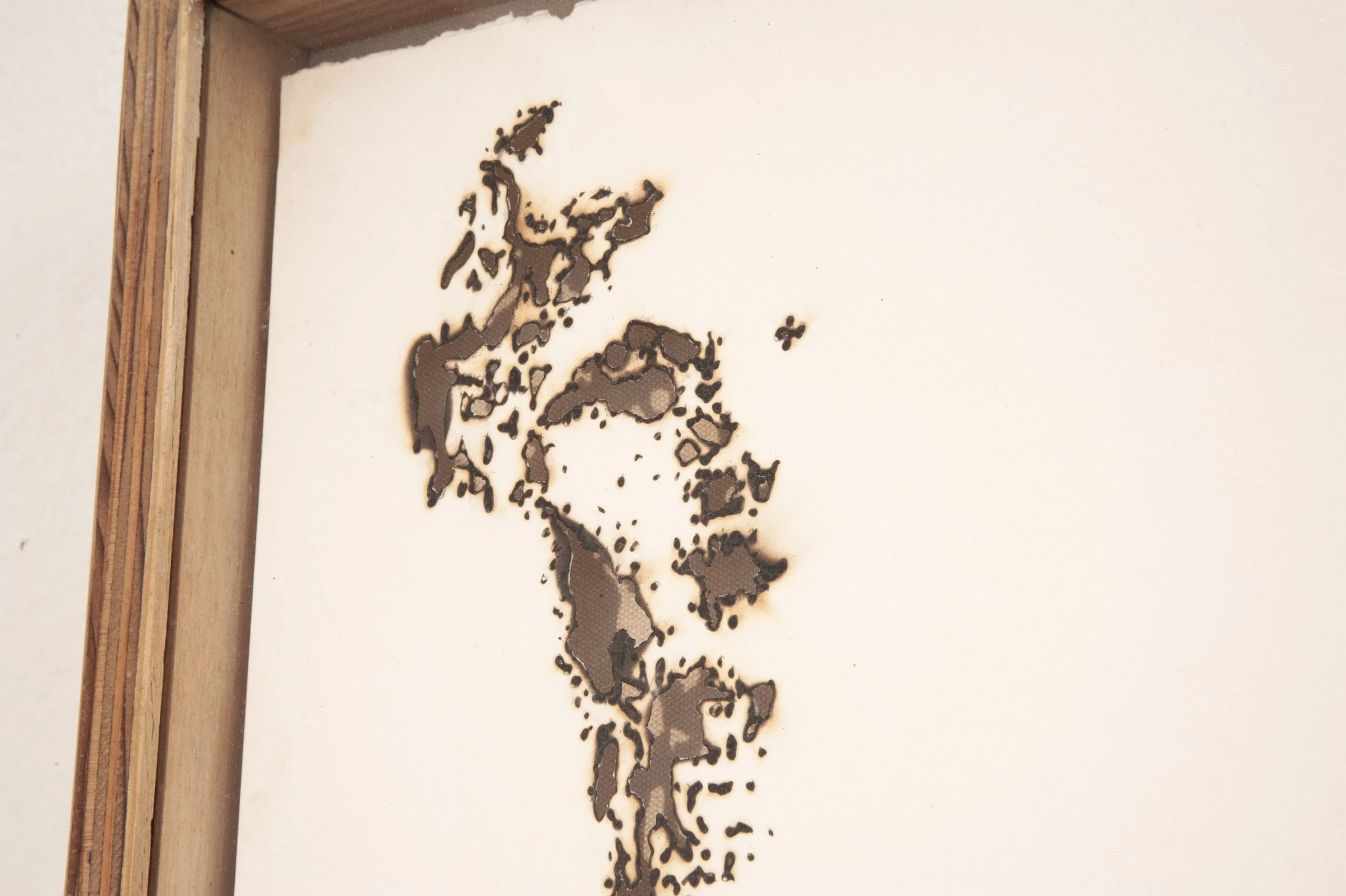
The paintings on display here extend this lineage. Burnt paper visually distracts from its
purpose, which is simply to read a word or phrase. Each word or phrase is itself cryptic,
its message hidden within. Each piece as fragile as the sediments of a life. Together,
they are fleeting still lifes, passing on the throughway. There is no correct decipher.
Each piece holds the same paradox, that selfhood requires display, even as display
exposes the instability of the self. One responds with moral pessimism, the other with
self-branding. Against both, the same question arises:
How does one live, and identify, in a socially visible, material world organized by time,
decay and replacement?
Quisque iaculis facilisis lacinia. Mauris euismod pellentesque tellus sit amet mollis.